How to Build a Professional Website in 2026: Complete Guide for Businesses and Beginners
Learn how to build a professional website in 2026 with the right planning, design principles, SEO strategies, and development process. This complete guide explains everything you need to create a successful online presence.
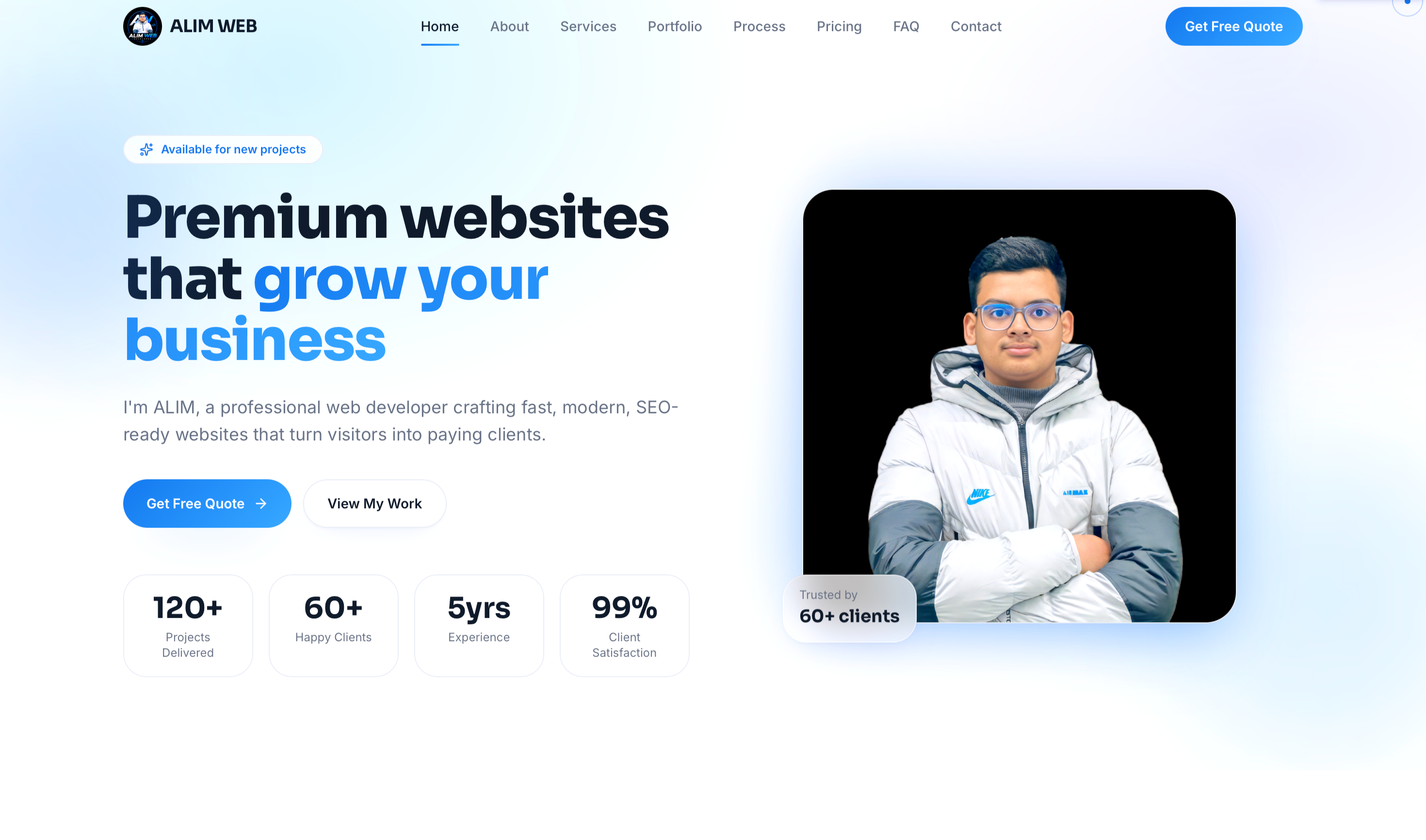
How to Build a Professional Website in 2026: Complete Guide for Businesses and Beginners
A professional website is no longer just an online address for a business. Today, it is one of the most important tools for building trust, attracting customers, and growing your brand.
Whether you are starting a new business, creating a personal portfolio, or launching an online service, a well-designed website can help you reach a global audience and create new opportunities.
However, building a successful website requires more than choosing a beautiful design. A modern website needs proper planning, fast performance, mobile responsiveness, security, and search engine optimization.
In this guide, we will discuss the complete process of building a professional website in 2026.
1. Define Your Website Goals Before Starting
The first step in website development is understanding why you need a website.
Different goals require different website structures.
Examples:
Business website for attracting customers
Portfolio website for showcasing skills
Blog website for sharing knowledge
E-commerce website for selling products
Service website for generating leads
A clear goal helps you choose the right design, features, and content strategy.
2. Choose the Right Website Structure
A professional website should have a clear and organized structure.
Most successful websites include:
Homepage
The homepage creates the first impression. It should quickly explain:
Who you are
What you offer
Why visitors should trust you
About Page
This page helps visitors understand your background, experience, and values.
Services Page
Clearly explain your services and how they solve customer problems.
Blog Section
A blog helps websites grow through valuable content and improves search engine visibility.
Contact Page
Make it easy for visitors to contact you through a simple and professional contact system.
3. Focus on Modern Website Design
Website design is not only about appearance. A good design improves user experience.
Important design principles include:
Clean Layout
Avoid unnecessary elements. A simple layout helps visitors find information quickly.
Mobile Responsive Design
Most internet users browse websites through mobile devices. Your website should work perfectly on smartphones, tablets, and desktops.
Fast Loading Speed
Visitors expect websites to load quickly. Slow websites can increase bounce rates and reduce conversions.
Easy Navigation
Users should find important pages within a few clicks.
4. Create SEO-Friendly Content
A beautiful website needs visitors. Search Engine Optimization (SEO) helps your website appear in search results.
Important SEO practices:
Use relevant keywords naturally
Create helpful blog content
Optimize page titles and descriptions
Use proper heading structure
Add descriptive image alt text
Build internal links between related pages
High-quality content helps search engines understand your website and improves ranking opportunities.
5. Website Performance and Security Matter
A professional website should be reliable and secure.
Important technical improvements:
Use fast hosting
Optimize images
Enable HTTPS security
Keep software updated
Protect forms from spam
Regularly monitor website performance
A secure and fast website creates a better experience for both users and search engines.
6. Add a Professional Blog Strategy
A blog is one of the best ways to grow website traffic organically.
A successful blog strategy includes:
Writing articles that solve real problems
Targeting specific search keywords
Updating old content regularly
Adding useful examples
Creating internal links
For example, a web development company can write about:
Website design tips
SEO strategies
Website speed optimization
Common development mistakes
Business growth through websites
7. Track Your Website Performance
After launching your website, continuous improvement is important.
Monitor:
Website visitors
Popular pages
Search performance
User behavior
Conversion rates
Data helps you understand what works and what needs improvement.
Final Thoughts
Building a professional website in 2026 requires a combination of good design, strong content, technical performance, and SEO strategy.
A successful website is not created only to look attractive. It should provide value to visitors, build trust, and help achieve business goals.
With proper planning and continuous improvement, your website can become a powerful platform for long-term growth.